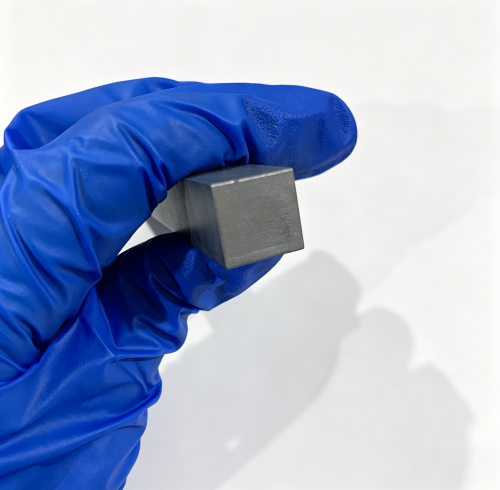
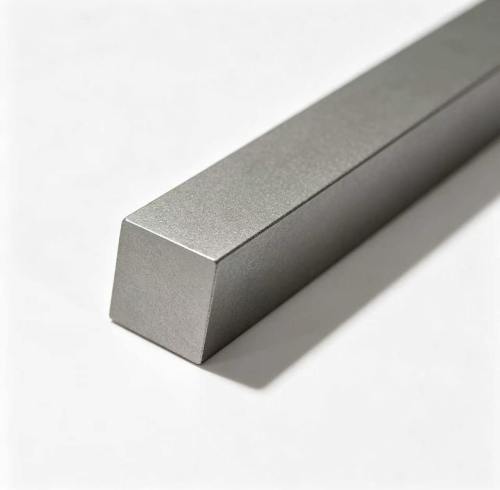
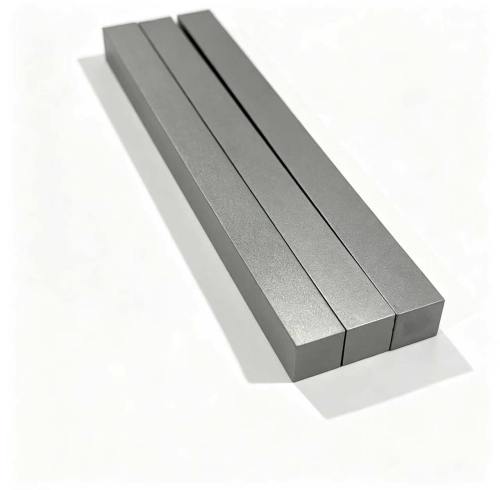
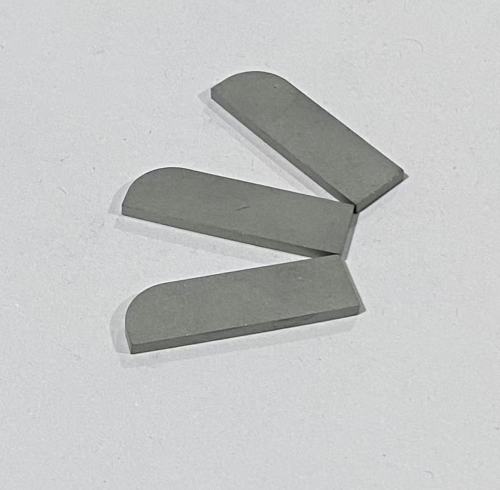
Tungsten carbide strip (also called cemented carbide strip or hardmetal strip) is made by blending tungsten carbide powder with cobalt powder according to the required grade, then pressing and sintering it. It offers high hardness, excellent wear resistance and good transverse rupture strength. The strip has a rectangular cross-section and is supplied in sintered (unground), ground and h6 precision-ground condition, with thickness, width and length customized to customer drawings. It serves as a brazing or solid blank for downstream cutting tools, dies and wear parts. By adjusting the ratio of hard phase to binder, different hardness-to-toughness combinations are available in the same profile, covering applications from woodworking blade tips to cold-heading dies.
Tungsten carbide strip (also called cemented carbide strip or hardmetal strip) is made by blending tungsten carbide powder with cobalt powder according to the required grade, then pressing and sintering it. It offers high hardness, excellent wear resistance and good transverse rupture strength. The strip has a rectangular cross-section and is supplied in sintered (unground), ground and h6 precision-ground condition, with thickness, width and length customized to customer drawings. It serves as a brazing or solid blank for downstream cutting tools, dies and wear parts. By adjusting the ratio of hard phase to binder, different hardness-to-toughness combinations are available in the same profile, covering applications from woodworking blade tips to cold-heading dies.
Tungsten carbide strip (also called cemented carbide strip or hardmetal strip) is made by blending tungsten carbide powder with cobalt powder according to the required grade, then pressing and sintering it. It offers high hardness, excellent wear resistance and good transverse rupture strength. The strip has a rectangular cross-section and is supplied in sintered (unground), ground and h6 precision-ground condition, with thickness, width and length customized to customer drawings. It serves as a brazing or solid blank for downstream cutting tools, dies and wear parts. By adjusting the ratio of hard phase to binder, different hardness-to-toughness combinations are available in the same profile, covering applications from woodworking blade tips to cold-heading dies.
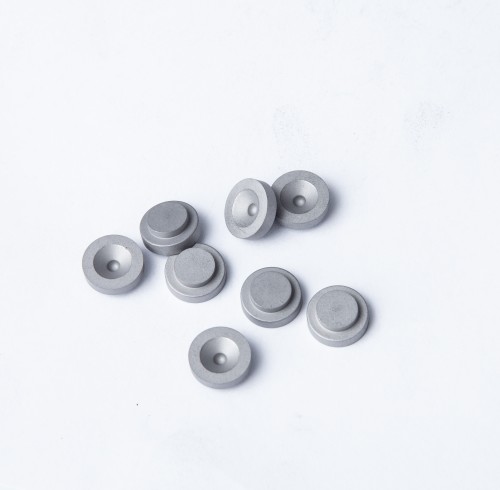
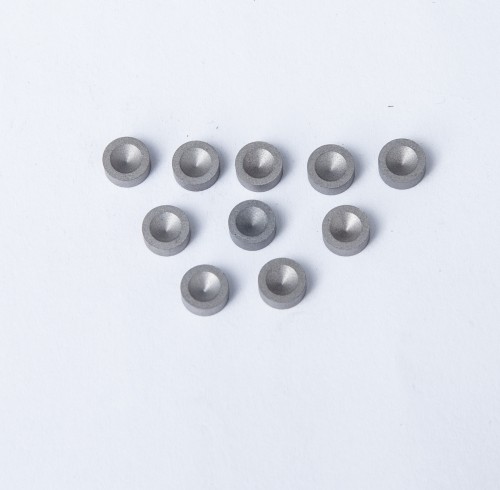
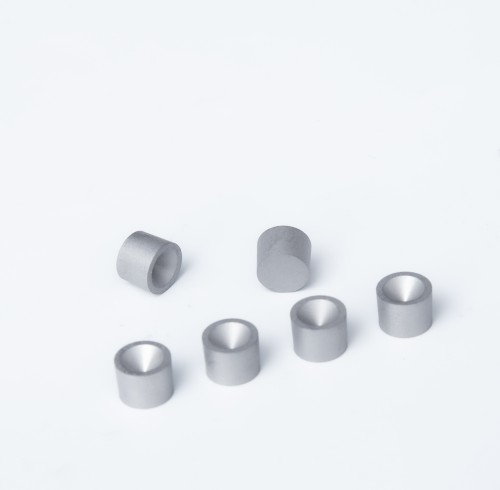
Our Cemented Carbide Terminals are precision-engineered using a Tungsten Carbide (WC) matrix with Cobalt (Co) or Nickel (Ni) binders, offering an optimal balance of high hardness (1600–2000 HV), exceptional wear resistance, and excellent electrical conductivity .
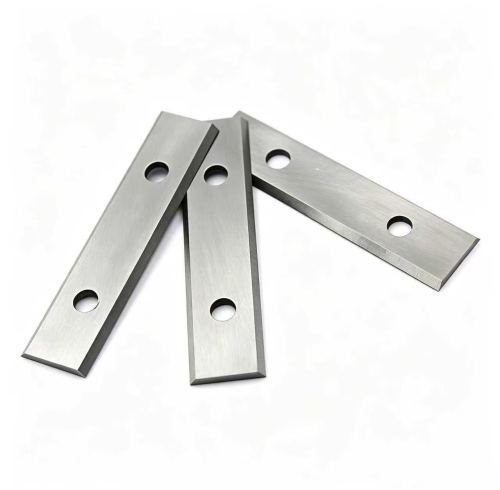
Our Tungsten Carbide Woodworking Knives are precision-engineered from premium cemented carbide, delivering exceptional wear resistance and a significantly extended service life compared to standard steel blades. Manufactured using advanced powder metallurgy, these inserts feature a high hardness rating (up to 92 HRA) and robust transverse rupture strength, making them ideal for high-speed machining in both manual and CNC applications
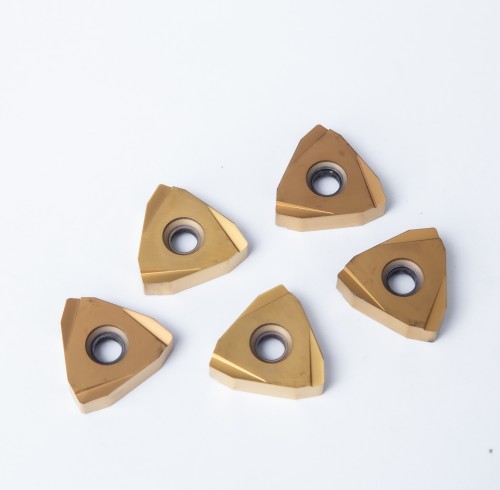
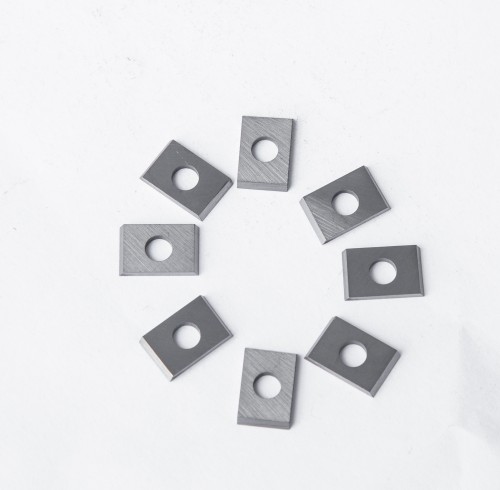
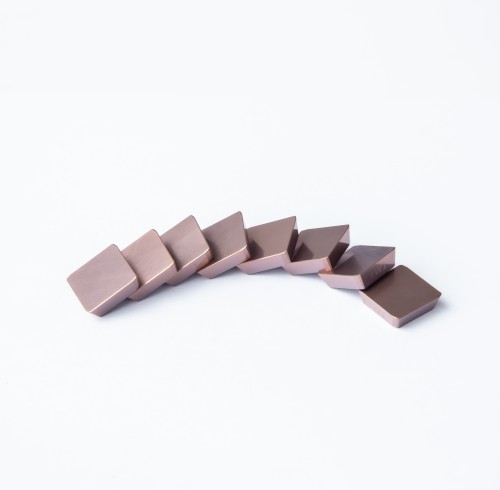
Cemented carbide inserts are the core cutting tools used in modern machining equipment such as CNC machine tools and machining centers, and they have an extremely wide range of applications.
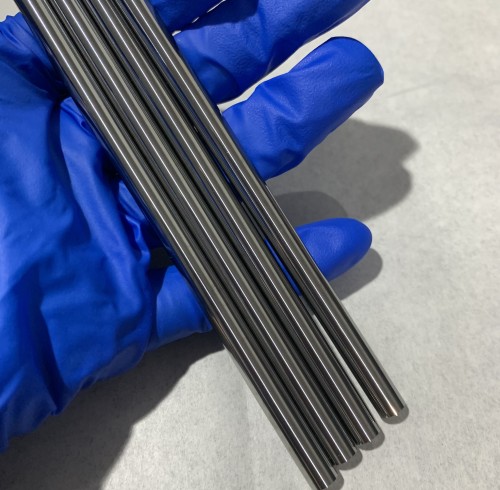
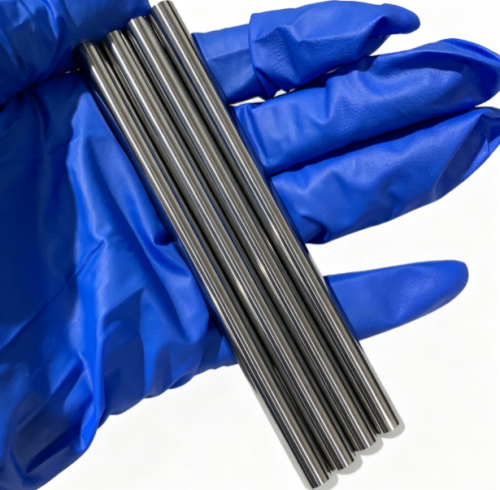
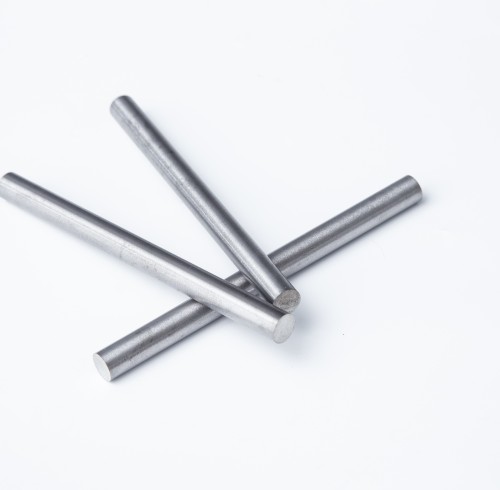
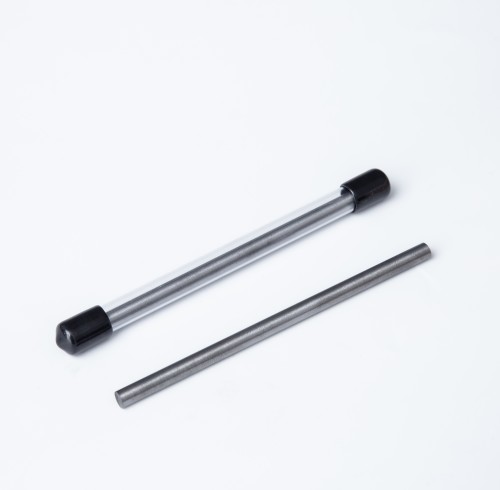
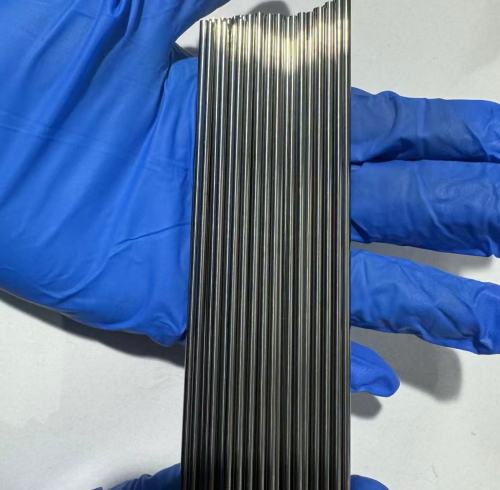
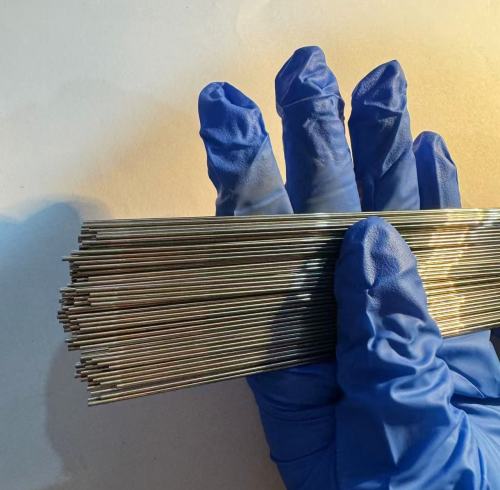
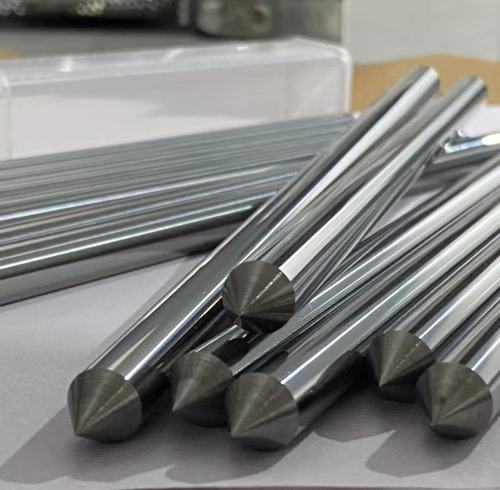
Cemented carbide round bars are the base material used to manufacture various high-performance cutting tools and wear-resistant parts.
Solid carbide round bar 6mm×100mm, ground to h6 tolerance. High hardness & excellent wear‑resistance.
Solid carbide round bar 8mm×100mm, ground to h6 tolerance. High hardness & excellent wear‑resistance.
Solid carbide round bar 4mm×100mm, ground to h6 tolerance. High hardness & excellent wear‑resistance.
A rod-shaped material produced through powder metallurgy. With its extremely high hardness and wear resistance, it has become an indispensable base material in modern manufacturing, particularly in the field of precision machining.
Tungsten carbide round bars, or cemented carbide bars, are rod-shaped materials manufactured using powder metallurgy processes. With their extremely high hardness and wear resistance, they have become an indispensable basic material in modern manufacturing, particularly in the field of precision machining.
A high-hardness, high-wear-resistant rod-shaped material made primarily from tungsten carbide powder, combined with metal binders such as cobalt (Co) or nickel (Ni), and manufactured through powder metallurgy processes involving pressing and sintering.
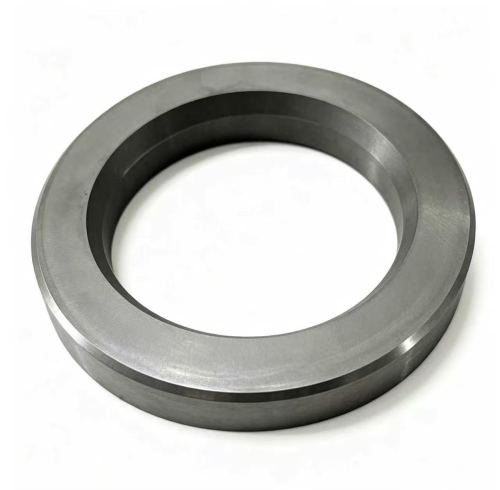
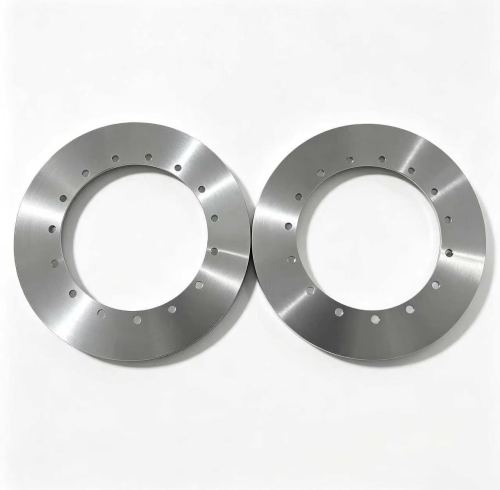
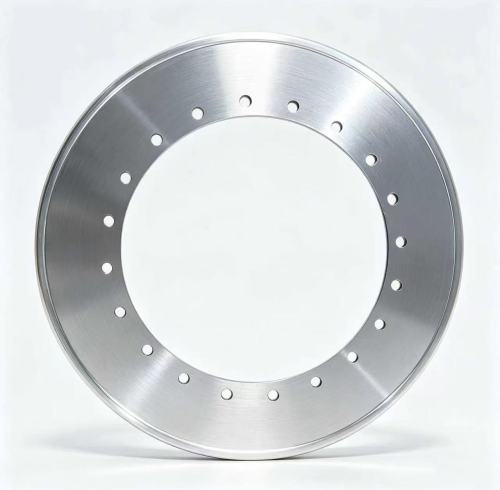
Ring-shaped components made of tungsten-cobalt cemented carbide (WC-Co) offer extremely high hardness and wear resistance. In the fields of mechanical seals and bearings, their service life is typically 5 to 10 times longer than that of steel components.
Cemented Carbide Customized Blade is a high-hardness, high-wear-resistance woodworking cutting tool primarily made by pressing and sintering metal powders such as tungsten carbide and cobalt. It is widely used for cutting, milling, and trimming solid wood, plywood, and various types of engineered wood panels.
Cemented Carbide Customized Blade is a high-hardness, high-wear-resistance woodworking cutting tool primarily made by pressing and sintering metal powders such as tungsten carbide and cobalt. It is widely used for cutting, milling, and trimming solid wood, plywood, and various types of engineered wood panels.
Cemented carbide industrial cutting inserts, primarily used for cutting metal materials, feature ultra-high hardness, excellent wear resistance, and superior heat resistance.
Used across multiple industries, these components serve as critical seals in pumps, compressors, mixers, and other equipment in the petroleum, chemical, and pharmaceutical sectors, preventing liquid or gas leaks. When installed on the rotating shafts of mechanical equipment as shaft sleeves or wear rings, they effectively reduce wear between the shaft and other components while providing positioning and guidance.
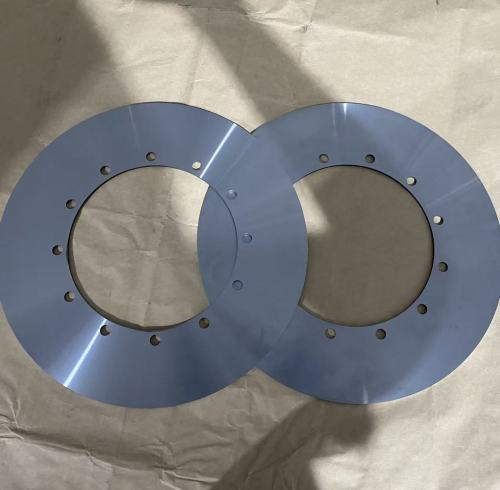
The primary use of cement / marble carbide circular blades in cutting cement-based materials is for the efficient cutting of fiber cement boards, calcium silicate boards, and lightweight building wall panels. Their main advantages include exceptional wear resistance, clean, straight cuts without chipping, and a significant reduction in dust.
The primary use of carbide rings in cutting cement-based materials is to efficiently cut fiber cement boards, calcium silicate boards, and lightweight building wall panels. Their main advantages include exceptional wear resistance, straight cuts without chipping, and a significant reduction in dust.
Widely used in precision stamping dies (such as connector terminal stamping) and high-performance electronic and electrical connections to ensure exceptional wear resistance and resistance to deformation under high-speed, high-pressure, and high-temperature operating conditions.
Certain specialized industrial applications, heavy-duty rectangular connectors, or electronic interfaces in harsh environments.
With extremely high wear resistance and impact resistance, it can withstand hundreds of millions of high-speed stamping cycles without chipping, significantly extending die life and improving product precision.
Cemented Carbide Machine Milling Cutters For Steel Stainless Steel Cast Iron Aluminum.