Carbide Inserts vs HSS Inserts: When to Choose Tungsten Carbide Cutting Blades
Full Article Structure
- 1. Introduction: Two Widely‑Used Cutting Insert Materials for Machining
- 2. Basic Material Properties: Tungsten Carbide vs HSS
- 3. Core Performance Comparison Table: Carbide Inserts VS HSS Inserts
- 4. Main Advantages of Tungsten Carbide Cutting Inserts
- 5. Main Advantages & Limitations of HSS Inserts
- 6. Practical Scenarios: When to Choose Carbide Inserts
- 7. Practical Scenarios: When HSS Inserts Are the Better Option
- 8. Common Mistakes When Selecting Between Carbide and HSS Inserts
- 9. Quick Decision‑Making Reference Table
- 10. Final Summary & Technical Support
1. Introduction: Two Widely‑Used Cutting Insert Materials for Machining
Turning, milling and boring operations heavily rely on cutting inserts to remove workpiece material. Tungsten carbide inserts and high‑speed‑steel (HSS) inserts are the two most mainstream tool materials in general metal‑cutting workshops. Many machinists and procurement buyers struggle to tell which material fits their actual production conditions.
Improper insert material selection will bring many negative outcomes: rapid tool wear, frequent edge chipping, low cutting speed, poor workpiece surface finish, or excessive tool‑consumption costs. HSS and carbide each have their own strengths and weaknesses. There is no universal “better” material for all jobs.
This article systematically compares tungsten carbide cutting blades and HSS inserts from material characteristics, high‑temperature performance, service life, operating speed and total cost. It provides clear application boundaries and practical selection advice for job‑shop operators, tooling engineers and bulk purchasers. All descriptions follow real‑world CNC and manual lathe machining experience.
2. Basic Material Properties: Tungsten Carbide vs HSS
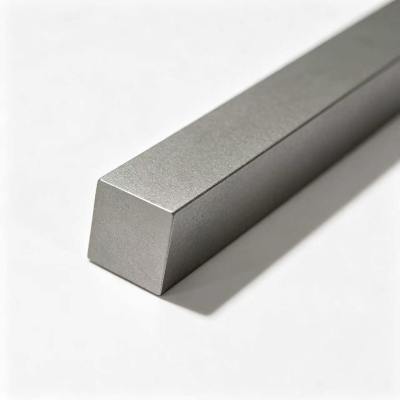
High‑Speed Steel (HSS) is alloy steel mixed with tungsten, molybdenum, chromium and vanadium elements. It is produced via traditional steel smelting and forging processes. HSS combines reasonable hardness and good ductility, so HSS tools can be ground into complex cutting‑edge shapes easily. However, its hardness and hot‑hardness drop quickly under high‑cutting‑temperature conditions.
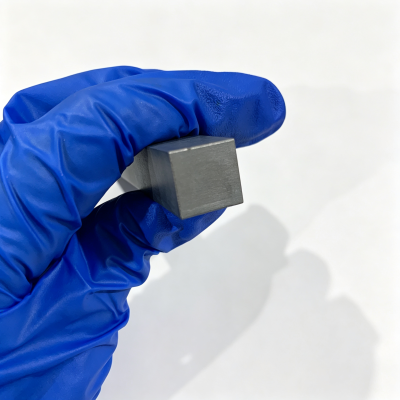
Tungsten carbide inserts are manufactured through powder‑metallurgy sintering. WC hard particles are bonded together by cobalt binder. By adjusting cobalt percentage and WC grain size, manufacturers can produce carbide grades ranging from high‑wear‑resistance finishing grades to high‑toughness rough‑machining grades. Carbide reaches far higher room‑temperature hardness and maintains hardness under extreme cutting heat, yet it is inherently brittle and sensitive to heavy impact and vibration.
Coating technology further expands carbide insert performance. TiN, TiCN or Al2O3 coatings improve heat resistance and anti‑abrasion ability, which cannot be matched by standard uncoated HSS inserts. Most HSS inserts can also receive simple coatings, but performance gains are relatively limited compared with coated carbide.
3. Core Performance Comparison Table: Carbide Inserts VS HSS Inserts
The table below lists key‑indicator differences to help you quickly understand material gaps.
| Comparison Item | Tungsten Carbide Inserts | HSS (High‑Speed Steel) Inserts | Practical Meaning for Machining |
|---|---|---|---|
| Hardness (Room Temp) | HRA 86‑94 | HRC 62‑68 | Carbide is much harder, better for hard‑material processing |
| Hot Hardness | Maintain hardness above 800‑1000℃ | Lose hardness above 550‑600℃ | Carbide supports high‑speed cutting without rapid softening |
| Impact Toughness | Low‑medium, brittle under heavy shock | High, resist chipping under vibration & interrupted cuts | HSS tolerates unstable machine tools and heavy intermittent impact |
| Recommended Cutting Speed | High‑speed range | Low‑to‑medium speed range | Carbide greatly improves production cycle efficiency |
| Unit Insert Cost | Higher single‑piece price | Lower single‑piece price | HSS cheap per‑unit; carbide brings longer tool life |
| Re‑grind Feasibility | Hard to manually re‑grind; mostly indexable | Easy manual re‑sharpening on bench grinders | HSS fits small workshops without special tool‑grinding equipment |
4. Main Advantages of Tungsten Carbide Cutting Inserts
Tungsten carbide inserts dominate modern high‑efficiency CNC workshops because of several irreplaceable strengths.
- Excellent hot‑hardness: Retain hardness at very high cutting‑zone temperatures, allowing much higher spindle speed and feed‑rate settings to raise material‑removal rates.
- Long service life: Superior wear‑resistance greatly extends tool life, reduces tool‑change frequency and lowers machine‑tool downtime for mass‑production lines.
- Good performance on hard‑to‑machine materials: Suitable for hardened steel, cast iron and abrasive alloys that quickly wear down ordinary HSS tools.
- Rich coating options: Multiple surface‑coating choices further boost oxidation resistance and anti‑wear performance for different workpiece materials.
- Indexable design: Most carbide inserts are indexable; operators can rotate edges without complex re‑grinding work.
Even though each carbide insert costs more upfront, total comprehensive cost per‑workpiece often becomes lower in high‑volume continuous‑cutting mass‑production scenarios.
5. Main Advantages & Limitations of HSS Inserts
HSS inserts still occupy important positions for small‑batch, manual‑lathe and low‑speed‑cutting environments.
- High impact‑resistance: HSS can absorb vibration and shock. It tolerates interrupted cutting, unstable old‑equipment and improper manual‑operator feeding mistakes without sudden catastrophic edge breakage.
- Easy re‑sharpening: Shops with only basic bench grinders can re‑grind worn HSS cutting edges repeatedly, no special‑purpose carbide‑grinding machinery required.
- Lower initial purchase cost: HSS blanks cost less for sporadic, low‑volume jobs where tool‑wear is not severe.
Meanwhile, HSS has obvious bottlenecks. It cannot survive high‑speed cutting because thermal softening will rapidly dull edges. HSS inserts are not suitable for processing hardened workpieces. For large‑batch continuous‑production lines, frequent tool re‑sharpening creates heavy labor costs and long machine idle time.
6. Practical Scenarios: When to Choose Carbide Inserts
You should prioritize tungsten carbide cutting blades under the following production conditions:
- High‑volume mass‑production with CNC lathes or machining centers pursuing high cutting‑speed and short cycle‑time.
- Machining hardened steel, cast iron, high‑strength alloy or highly‑abrasive workpiece materials.
- You hope to reduce tool‑change frequency and minimize equipment downtime.
- Your machine‑tool has good rigidity, and cutting process is mostly stable continuous cutting without severe vibration.
- You adopt indexable‑tooling workflow and do not want to spend large amounts of time manually re‑grinding cutting edges.
Note: Even if you select carbide inserts, you still need to pick the proper carbide grade. High‑hardness fine‑grain grades for finishing; higher‑cobalt tougher grades for roughing with minor impact.
7. Practical Scenarios: When HSS Inserts Are the Better Option
HSS inserts are more reasonable choices for these working conditions:
- Manual lathe operation, old low‑rigidity equipment with unavoidable vibration and unstable cutting conditions.
- Small‑batch job‑shop production or repair‑work jobs, not pursuing ultra‑high cutting speed.
- Processing soft materials such as low‑carbon steel, brass and pure copper under low‑speed cutting parameters.
- Workshop only owns ordinary bench grinders, lacking professional tool‑grinding equipment for carbide tools.
- Frequent interrupted cutting, heavy impact, where brittle carbide inserts risk sudden chipping or fracture.
Do not force HSS to run at high speed; excessive cutting temperature will quickly burn out cutting edges and waste workpiece material.
8. Common Mistakes When Selecting Between Carbide and HSS Inserts
Many workshops fall into typical wrong assumptions when choosing insert material.
First mistake: Believing carbide inserts are always better for every machining task. If your machine lacks rigidity or your process brings heavy shock, carbide edges chip constantly, and comprehensive cost will be higher than HSS.
Second mistake: Running HSS inserts at carbide‑level high‑cutting‑speed settings. HSS will lose hot hardness, edges wear rapidly and burn marks appear on workpiece surfaces.
Third mistake: Ignoring carbide‑grade matching after you decide to buy carbide inserts. Simply buying generic carbide inserts without distinguishing finishing / rough‑use grades still results in poor tool performance.
Fourth mistake: Only comparing single‑piece insert price. HSS has low unit price, but frequent re‑sharpening and downtime raise hidden costs for mass‑production lines. Always evaluate total cost per finished part instead of raw insert price.
9. Quick Decision‑Making Reference Table
Use this simple table to quickly decide insert material for your project.
| Working Condition | Recommended Insert Material | Important Notes |
|---|---|---|
| High‑speed CNC mass production, continuous cutting, hard workpiece | Tungsten Carbide Inserts | Select proper grade and suitable coating |
| Manual lathe / old low‑rigidity machine, heavy vibration & intermittent cut | HSS Inserts | Keep cutting‑speed within reasonable HSS parameter range |
| Small‑batch repair work, soft metal, bench‑grinder re‑sharpening required | HSS Inserts | Economical for sporadic‑volume jobs |
| Semi‑finishing / finishing of cast‑iron or hardened steel parts | Tungsten Carbide Inserts | Fine‑grain carbide grade is preferred |
| Rough interrupted turning with heavy impact load | HSS OR high‑toughness carbide grade | Check machine rigidity first before using carbide |
10. Final Summary & Technical Support
Tungsten carbide inserts excel in hot‑hardness, wear‑resistance and high‑speed machining. They fit rigid‑machine mass‑production scenarios and hard‑material processing. HSS inserts shine in impact‑resistance, re‑sharpening convenience and low‑speed unstable‑equipment conditions.
Material selection should depend on machine rigidity, cutting‑speed target, workpiece material, batch‑volume and available workshop tool‑grinding resources. Do not blindly pursue carbide for all jobs, nor stick to HSS when high‑efficiency mass‑production is required. After you confirm carbide as your tool material, you still need to select the correct carbide grade and coating for your application.
If you have confusion on insert‑material or carbide‑grade selection for your production line, our technical team can provide free application‑oriented suggestions for your real‑world machining parameters.
Cutting Insert Products & Custom Service
Stock Tungsten Carbide Inserts
Ready‑stock indexable carbide turning and milling inserts in multiple standard grades and coating options, for cast iron, steel and alloy‑material machining. Suitable for high‑speed CNC mass‑production lines.
Learn More → /carbide‑cutting‑inserts.htm
Custom‑Made Carbide Cutting Blanks
OEM/ODM custom non‑standard carbide cutting‑blade blanks according to customer drawings. Support customized carbide grade, dimension and surface‑coating solutions for special‑purpose machining tasks.
CTA Contact Zone
Technical Consultation & Custom Orders
📧 Contact Us → /contact‑us.htm
Send your workpiece material, machine‑tool type, cutting parameters and batch‑requirement, obtain free insert‑material and grade‑selection advice.
Bulk Procurement & Distributor Cooperation
📧 Contact Us → /contact‑us.htm
Wholesale pricing for bulk carbide‑insert orders, support long‑term factory supply agreements for industrial distributors.
Disclaimer
The information provided in this article is for general reference purposes only. Actual tool performance is affected by machine‑tool rigidity, cutting parameters, workpiece hardness, coolant condition and operator settings. Please consult our technical team for application‑specific recommendations before large‑batch procurement. All material‑performance descriptions refer to standard‑industrial test‑environment results.