Case Studies and Factory Capability
- Why In-house Machining Helps Stabilize Tolerance for Your Carbide Tool BlanksOct 2,2026Controlling dimensional tolerance of carbide tool blanks is critical for your final cutting tools. Our full in-house machining process keeps tight, consistent tolerances, reduces outsourcing errors and delivers stable carbide blanks for global manufacturers.
- How We Validate Carbide Samples Before Mass Production for Global BuyersOct 2,2026Before mass production of cemented carbide parts, strict sample validation prevents batch defects. Learn our full carbide sample inspection process to guarantee consistent quality for global industrial buyers.
- Industrial Sharpening Machine: Custom Carbide Blades for High Volume SharpeningSep 30,2026High-volume industrial sharpening machines demand durable, precision custom carbide blades to maintain consistent cutting performance and reduce downtime. This article explains why tungsten carbide is the preferred material for sharpening machine blades, core design considerations for custom carbide blades, common failure modes, selection tips, and maintenance best practices for high-volume sharpening operations.
- Fastener Cold Forging: Carbide Dies & Pin Cores Extend Production RunsSep 30,2026Fastener cold forging operates under extreme cyclic pressure and impact, which quickly wears out conventional tool steel tooling. Tungsten carbide dies and pin cores are widely adopted to extend production runs, reduce tool change frequency and cut per-piece manufacturing cost. This blog explains the benefits of carbide tooling for fastener cold forging, grade selection, common failure modes of carbide dies and pin cores, practical tips to maximize tool life.
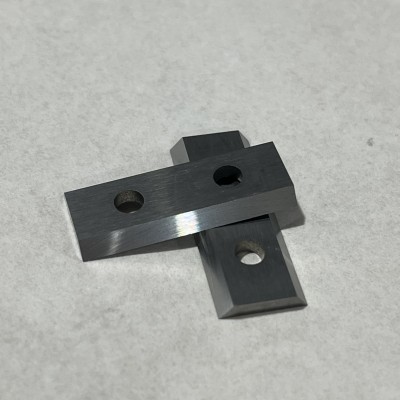
- Wood Cutting: Carbide Strips as Wear Parts for Woodworking MachinerySep 30,2026Woodworking machinery faces continuous abrasion from wood fibers, knots, sand particles and resin during high-volume wood cutting operations. Tungsten carbide strips are widely used as durable wear parts and cutting inserts for woodworking equipment. This blog explains why carbide strips outlast steel alternatives in wood cutting, typical applications of carbide strips in wood machines, grade selection, common wear problems, machining tips and sourcing notes for custom carbide strips for wood.
- Factory Capacity Planning: Meet Bulk & Urgent Orders of Cemented Carbide ProductsSep 29,2026Professional cemented carbide factory capacity planning supports large bulk orders and urgent rush orders. Learn our complete production scheduling, strict QC rules and stable lead time solutions for global carbide buyers.
- How Our Quality Control Process Reduces Defect Rates for Tungsten Carbide Custom PartsSep 29,2026Discover how our strict tungsten carbide quality control workflow cuts defect rates for custom carbide parts. From raw material inspection to finished dimension testing, our factory QC system stabilizes product consistency and lowers your project rejection risk.
- Tungsten Carbide Component Customization: How We Match Drawings for Industrial ClientsSep 29,2026Learn how we match your engineering drawings during tungsten carbide component customization. Our factory interprets dimensions, tolerances and geometric requirements precisely to deliver carbide parts that fit your industrial equipment perfectly.
- How Surface Finish Affects the Service Life of Tungsten Carbide PartsSep 28,2026Surface finish is a critical factor that directly determines the service life of tungsten carbide components. This blog explains how surface roughness, grinding defects, scratches and residual stress accelerate wear, fatigue crack initiation and corrosion of carbide parts. It compares different surface finishing methods including grinding, lapping and polishing, discusses suitable surface finish requirements for molds, cutting tools and wear parts.
- Residual Stress in Sintered Carbide: Its Impact on Tool & Die PerformanceSep 28,2026This article explains how residual stress forms during sintering and machining, differentiates tensile and compressive residual stress, analyzes its influence on tool and die service life, and introduces practical measures to detect and reduce harmful residual stress in carbide components.Residual stress is an inherent stress state trapped inside sintered tungsten carbide after manufacturing processes including sintering, grinding and surface finishing.
- Cobalt Leaching on Tungsten Carbide: What It Is and How to Avoid ItSep 24,2026Cobalt leaching is the selective electrochemical dissolution of cobalt binder from tungsten carbide, triggered by acidic, chloride-rich and high-temperature environments. It leaves porous WC skeleton, resulting in grain pullout, pitting and premature tool failure. This article explains the mechanism, typical signs, root causes and practical prevention strategies including grade switching, surface coating, process control and proper storage.
- Thermal Shock in Carbide Blades: Mechanism & Suitable Grades for Intermittent CuttingSep 24,2026Thermal shock occurs when carbide blades repeatedly undergo rapid temperature rise and drop during intermittent cutting operations. Sharp thermal stress creates microcracks, propagation and eventual tool breakage. This blog explains the mechanism of thermal shock damage, typical failure signs, grade selection principles for interrupted cutting, and practical operational tips to improve blade service life.