Cemented Carbide Blank Selection for Variable Abrasion and Shock Loads
Full Article Structure
1. Challenge Brought by Variable Abrasion & Shock Loads
Many industrial machines do not run under stable static loads. Working conditions switch between strong abrasive wear and intermittent impact shock. If carbide blanks only focus on wear resistance, parts will chip under sudden shock. If only pursuing high toughness, components will wear too fast. Variable‑load scenarios create higher requirements for carbide blank material selection.
2. What Is a Cemented Carbide Blank
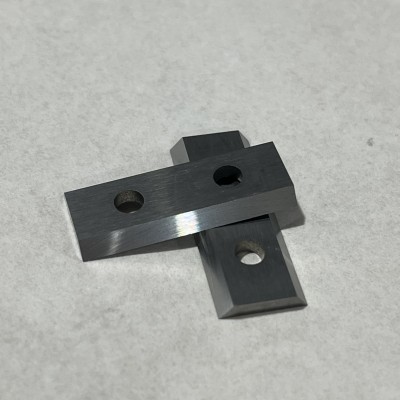
Carbide blanks are semi‑finished sintered raw parts before precision grinding and machining, including round rods, strips, plates and block blanks. All follow original powder sintering formula. The performance of final finished parts is fundamentally determined by blank grade, not later machining procedures.
3. Key Parameters for Blank Material Selection
When selecting blanks for variable abrasion‑shock mixed loads, two core indicators need balance: grain microstructure and cobalt binder percentage. Fine grain improves anti‑abrasion performance. Higher cobalt content improves impact‑resistant toughness. For variable‑load applications, blindly pursuing extreme hardness or extreme toughness will cause early‑stage component failure.
| Carbide Blank Type | Abrasion Resistance | Shock‑Load Tolerance | Suitable Scenario |
|---|---|---|---|
| Fine‑grain low‑cobalt blank | Excellent | Limited | Main abrasion, occasional light shock |
| Medium‑grain balanced blank | Good | Good | Frequently changing abrasion & shock load |
| Coarse‑grain high‑cobalt blank | Moderate | Great | Main heavy intermittent shock |
4. Grade‑Matching Reference Table for Variable‑Load Conditions
- YG10X fine grain blank: fit scenarios with frequent abrasion plus occasional light impact;
- YL10.2 blank: preferred balanced grade for mixed variable‑load cutting and wear‑parts;
- YG8 medium grain blank: for mining and construction auxiliary parts with changing impact‑abrasion.
We supply various sintered carbide blanks, including round rod blanks, strip blanks and plate blanks, support custom blank dimensions according to drawings.
5. Common Mistakes in Carbide Blank Purchasing
Many buyers only compare blank dimension and unit price while ignoring material grade parameters. Using unsuitable blank grades under variable mixed loads will lead to unstable batch service‑life, even if follow‑up precision machining is perfect. Confirm blank grade performance before placing bulk orders.
6. Summary
For working conditions with variable abrasion and intermittent shock loads, cemented carbide blank grade determines the upper limit of component service‑life. Do not chase one‑sided performance; select balanced carbide blank according to real load variation of your equipment. Semi‑finished carbide blanks need to match your actual variable‑load requirements first.
Related Products
Related Articles
Tell us your variable abrasion‑shock working‑load details, we can recommend proper cemented carbide blank grade and dimensions for your project.
Get Carbide Blank Solution →We provide sintered carbide blanks with different grades for mixed‑variable‑load industrial applications.