Grade Selection Guide for Custom Carbide Components in Wear and Cutting Applications
Full Article Structure
1. How Cobalt Content Decides Carbide Performance
Cobalt acts as the binder phase in tungsten carbide. Lower cobalt content brings higher hardness and better wear resistance, but lower impact toughness. Higher cobalt content improves toughness and anti-chipping ability, while wear resistance drops. This core trade-off is the main rule for carbide grade selection for custom components.
2. Grade Selection for Wear Resistant Carbide Parts
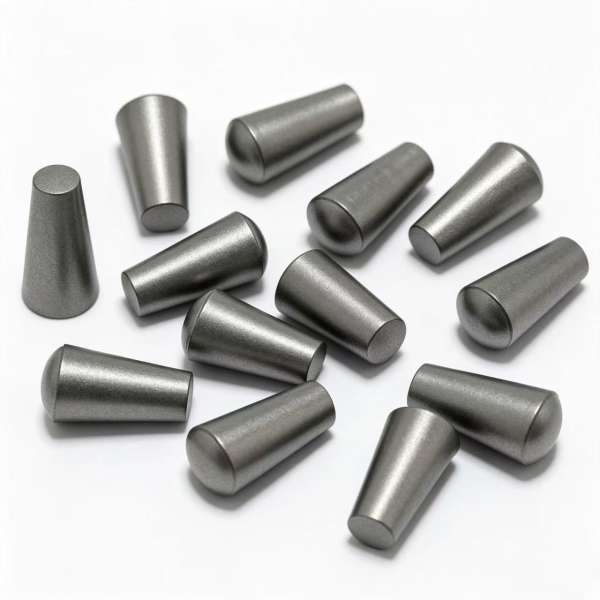
For static wear parts such as wear plates, guide pins, sand blast nozzles and shaping dies, low cobalt grades are preferred. These parts face continuous friction and abrasion without heavy impact. We recommend stable grades with high hardness to extend service life and reduce replacement frequency.
3. Grade Selection for Cutting Tool Blanks
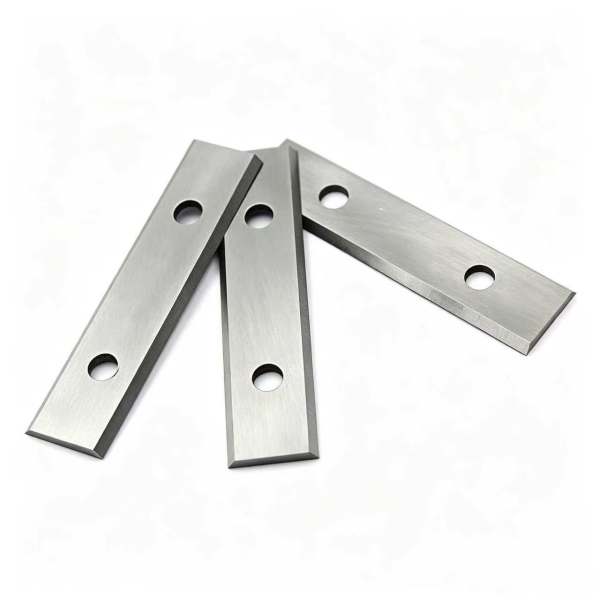
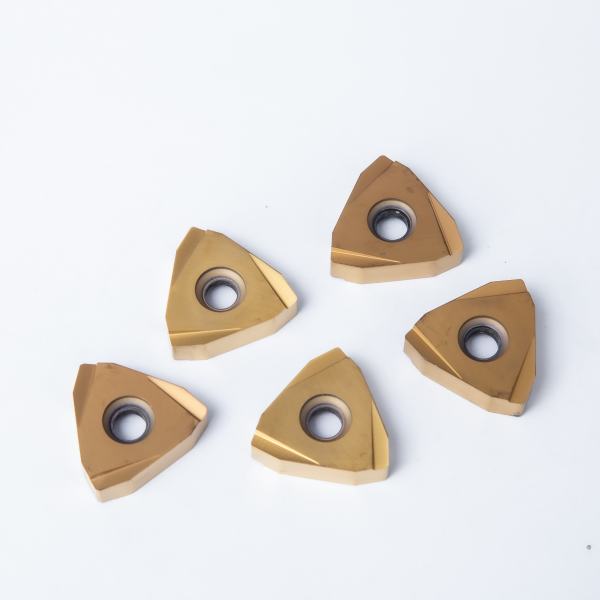
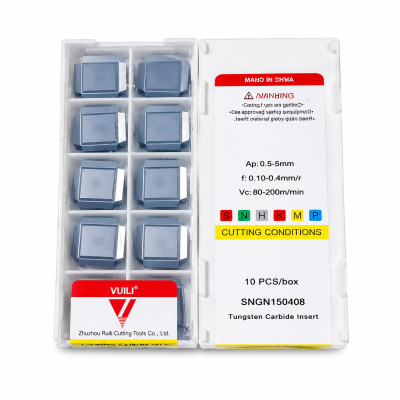
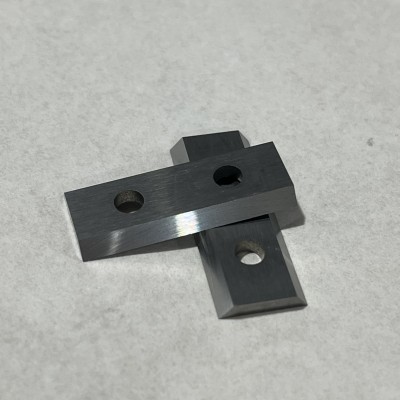
Cutting inserts, end mill blanks and woodworking cutting blades bear vibration and cutting shock. Medium cobalt grades balance toughness and wear resistance. If you cut hard metal or abrasive materials, we adjust grain size together with cobalt content to get stable cutting performance.
4. Comparison of Common Cemented Carbide Grades
| Grade | Typical Application |
|---|---|
| Low cobalt fine grain | No-impact wear parts, high abrasion condition |
| YG8 medium cobalt | General wear parts and standard cutting blanks |
| YG15 high cobalt | Stamping punches, heavy impact forming dies |
5. Grade Adjustment After Sample Test Feedback
If your sample test shows fast wear or edge chipping, we can adjust the carbide formula. We can change cobalt ratio or tungsten carbide grain size. Our technical team supports grade optimization according to your actual working condition after trial runs.
6. Summary
Correct carbide grade selection directly affects part lifespan and cost. Wear-focused applications prioritize low cobalt high hardness grades, while cutting and impact parts need higher toughness grades. Tell us your working condition, material to process and failure mode, we will recommend the most suitable carbide grade for your custom components.
Tell us your working condition and application, our engineers will recommend the proper carbide grade for your custom parts.
We provide professional carbide grade recommendation for wear parts and cutting tool OEM projects.