How to Choose Carbide Tools for Stainless Steel Turning & Milling
Full Article Structure
1. Machining Challenges of Stainless Steel
Austenitic stainless steel like 304 and 316 has high ductility, low thermal conductivity. It easily creates built-up edge, work hardening and high cutting temperature. Duplex stainless steel brings higher strength and abrasive wear risk.
2. Carbide Grade & Coating Selection
- Austenitic stainless steel: Fine grain substrate, smooth PVD coating (TiAlN / AlCrN) for low friction
- Duplex stainless steel: Medium toughness substrate, wear-resistant coating, avoid sharp edge chipping
- Milling interrupted cut: Tougher carbide grade to resist impact
3. Turning vs Milling Parameter Guide
| Material | Process | Cutting Speed (m/min) | Feed |
|---|---|---|---|
| 304 / 316 Austenitic SS | Turning | 80–150 | 0.10–0.22 mm/r |
| 304 / 316 Austenitic SS | Milling | 100–180 | 0.08–0.15 mm/z |
| Duplex Stainless Steel | Turning / Milling | 60–110 | Lower feed, light cut |
4. Chipbreaker & Edge Preparation
Positive rake chipbreaker is preferred for stainless steel to reduce cutting force. Light edge hone removes micro defects, but too large hone will increase BUE risk. Coolant must reach cutting zone fully to take away heat.
5. Practical Case: 316 Stainless Steel Turning
One client faced frequent BUE and short tool life machining 316 shaft parts. We changed inserts to AlCrN PVD coated fine grain carbide, adjusted speed to 120 m/min and used high-pressure coolant. Tool life increased by 65% and surface quality improved greatly.
6. Summary
Stainless steel machining focuses on anti-adhesion and heat control. PVD coated fine grain carbide, proper chipbreaker and stable coolant are the core combination for both turning and milling operations.
Tell us your stainless steel type, turning or milling, and machine condition, we recommend matched carbide inserts and parameters.
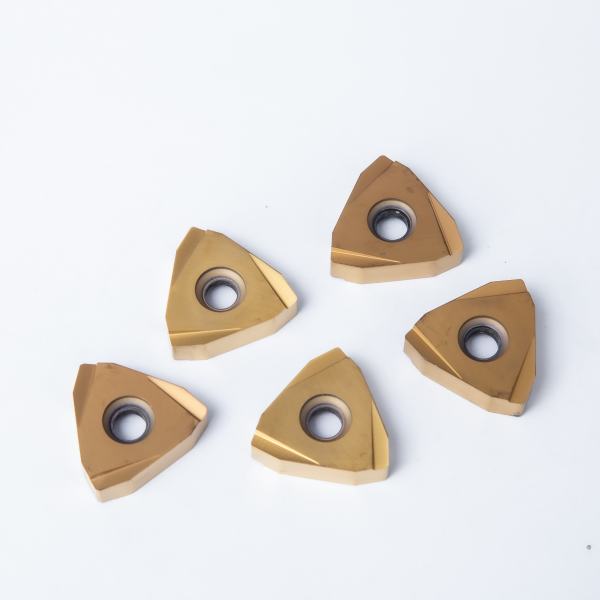
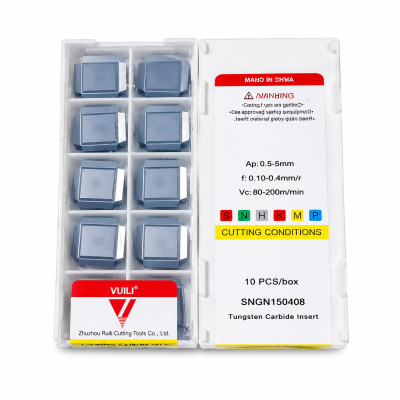
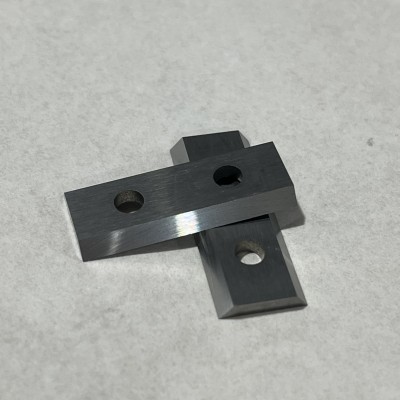
Special carbide inserts for 304, 316 and duplex stainless steel turning and milling.