Industrial Sharpening Machine: Custom Carbide Blades for High Volume Sharpening
Table of Contents
1. Introduction
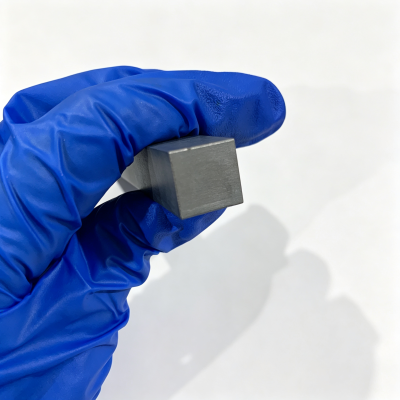
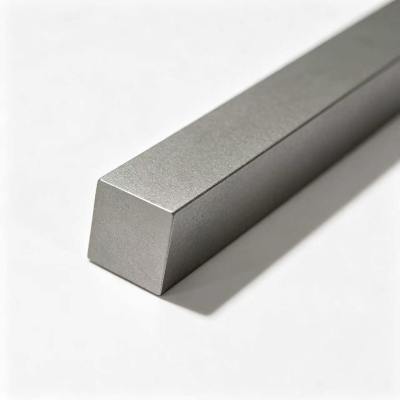
Industrial sharpening machines handle continuous high-volume sharpening tasks for knives, saw blades, scissors and other cutting tools across food processing, paper, woodworking and recycling industries. When running 24/7 production, standard steel blades wear down rapidly, requiring frequent replacement and stopping production. Custom tungsten carbide blades have become a preferred wear part solution, offering excellent hardness, edge holding capability and impact resistance tailored to sharpening machine working conditions.
2. Why Custom Carbide Blades for High Volume Sharpening Machines
Compared with high-speed steel and tool steel blades, custom carbide blades bring obvious advantages for heavy-duty sharpening applications:
- Superior wear resistance: Tungsten carbide maintains sharp edges for far longer under continuous abrasive contact, cutting blade change frequency dramatically.
- Customizable geometry: Manufacturers can produce blades with bespoke edge angles, thickness, mounting holes and profiles matching your sharpening machine model.
- Stable performance under repeated friction: Less edge deformation during long-hour grinding and sharpening cycles.
- Lower overall operating cost: Even though carbide blades have higher upfront cost, reduced downtime and fewer replacements cut total production cost.
3. Key Custom Design Parameters for Carbide Blades
When ordering custom carbide blades for your sharpening machine, these specifications need to be clearly defined to guarantee fit and performance:
| Parameter | Description |
|---|---|
| Blade overall dimension | Length, width, thickness, tolerance for mounting slots |
| Cutting edge profile | Single bevel, double bevel, radius edge or straight edge |
| Mounting features | Position holes, locating notches, clamping flat areas |
| Surface finish | Ground finish for low friction, polished edge option |
| Blade sharpness allowance | Reserve material for repeated re-sharpening |
4. Tungsten Carbide Grade Selection Guide
Carbide grade choice mainly depends on whether your sharpening process has impact loads or mostly abrasive wear:
- High abrasive, low impact: Low cobalt grades (WC-Co 6%) for maximum wear resistance.
- Mild impact + abrasion: Medium cobalt grades (WC-Co 8%) balance toughness and wear resistance, most popular for sharpening machine blades.
- Heavy shock loading: Higher cobalt grades (WC-Co 10% /12%) to resist chipping during intermittent shock.
5. Common Blade Failures & Preventive Measures
Even carbide blades can fail prematurely if improperly selected or installed. The most typical issues include edge chipping, abrasive wear, and thermal cracking.
- Edge chipping: Usually caused by improper edge angle, excessive impact or wrong carbide grade. Solution: increase edge radius or switch to higher-toughness grade.
- Fast abrasive wear: Cobalt content too high for purely abrasive work. Choose lower cobalt carbide grade.
- Thermal cracking: Overheating during sharpening operation. Use coolant and avoid dry high-speed grinding.
6. Maintenance Tips to Extend Blade Service Life
Good daily maintenance maximizes the ROI of custom carbide blades:
- Check mounting clamps regularly to prevent loose vibration which causes chipping.
- Apply proper cooling liquid during operation to reduce heat buildup.
- Clean blade surface after each batch to remove accumulated metal debris.
- Re-sharpen carbide blades with suitable diamond grinding wheels, avoid improper grinding.
- Store spare blades in dry packaging to prevent corrosion.