Key Factors Shaping Global Tungsten Carbide Market Prices
Full Article Structure
- 1. Tungsten Ore and Cobalt: The Core Raw Material Cost Drivers
- 2. How Carbide Grade and Cobalt Content Affect Final Pricing
- 3. Production Cost: Energy, Sintering and Machining Expenses
- 4. Global Supply Chain and Regional Demand Impacts
- 5. Tips for Buyers to Predict and Adapt to Price Changes
- 6. Summary
1. Tungsten Ore and Cobalt: The Core Raw Material Cost Drivers
Tungsten concentrate and cobalt powder are the two most dominant raw materials for cemented carbide. Tungsten ore prices are affected by mining output, export quotas and global industrial demand. Cobalt prices are highly volatile, linked to battery industry consumption and metal inventory changes.
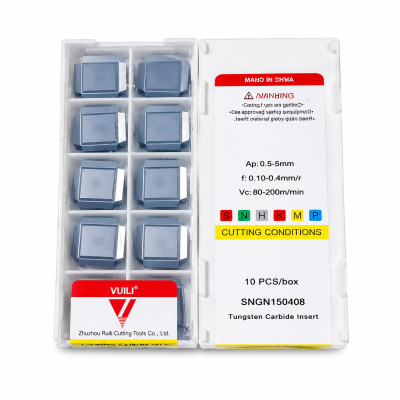
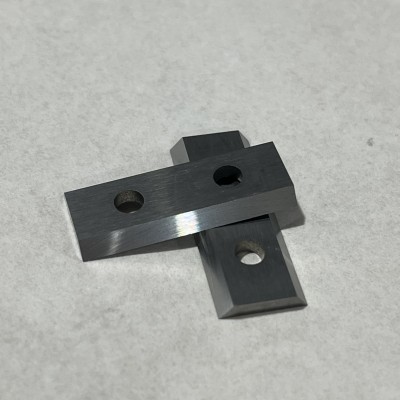
When raw material prices rise, the quotation of tungsten carbide rods, strips and inserts will follow up accordingly, usually with a time lag of 2–4 weeks.
2. How Carbide Grade and Cobalt Content Affect Final Pricing
Grades with higher cobalt content consume more expensive cobalt powder, which pushes up the unit cost. Ultra-fine grain grades require special powder preparation and strict sintering control, so they are priced higher than conventional medium-grain grades.
| Carbide Grade | Cobalt Content | Cost Level | Typical Application |
|---|---|---|---|
| YG6 | 6% | Medium | Cutting tools, low impact wear parts |
| YG11C | 11% | Medium-high | Mining scraper strips, heavy wear inserts |
| YG15 | 15% | High | High impact rock crushing components |
3. Production Cost: Energy, Sintering and Machining Expenses
Tungsten carbide production requires high-temperature HIP sintering, which consumes large amounts of electricity. Additional processing such as grinding, chamfering, drilling and surface polishing will also add extra processing fees. Custom non-standard sizes usually cost more than standard off-the-shelf blanks.
4. Global Supply Chain and Regional Demand Impacts
Most of the world’s tungsten carbide blank capacity is concentrated in China. Logistics cost, exchange rate fluctuation, shipping schedule and import tariff policies will change the landed cost for overseas buyers. Peak demand seasons from mining, construction and metal cutting industries will also tighten stock and lift prices.
5. Tips for Buyers to Predict and Adapt to Price Changes
- Track tungsten and cobalt metal spot price trends for long-term budgeting;
- Place bulk orders during stable raw material cycles to lock favorable prices;
- Communicate with carbide suppliers early when you have large project demand;
- Compare total service life instead of only focusing on unit price of carbide parts.
6. Summary
Tungsten carbide market prices are shaped by raw materials, grade formula, manufacturing processing, logistics and market demand together. Understanding these key factors helps industrial buyers avoid unexpected cost increases and make better purchasing decisions. We update our quotation in line with raw material market changes and provide stable supply for standard and custom carbide products.
Related Products
Related Articles
Contact us to get the latest quotation for tungsten carbide blanks, rods, strips and inserts. We will inform you of raw material market changes and provide stable pricing support for your long-term orders.
Contact Us For Latest Carbide Price →Prices are subject to raw material fluctuation. We will send formal price notification in advance when adjustment is needed.