Rleey | Hard Alloy Parts: Key Procurement & Selection Tips for Machining Projects
Full Article Structure
- 1. Introduction: Hard Alloy Parts for Machining Projects
- 2. Key Factors for Hard Alloy Part Selection
- 3. Common Pitfalls in Hard Alloy Procurement
- 4. How to Match Hard Alloy Grades to Machining Tasks
- 5. Quick Selection Checklist for Hard Alloy Components
- 6. FAQ for Hard Alloy Parts Sourcing
- 7. Summary & Custom Hard Alloy Parts from VUILI
1. Introduction: Hard Alloy Parts for Machining Projects
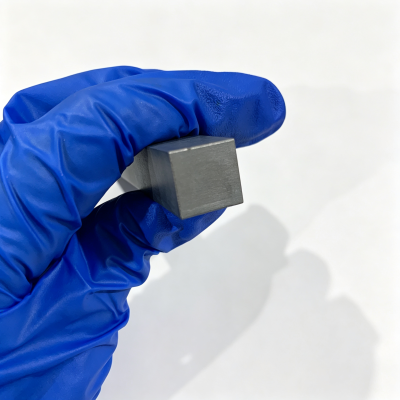
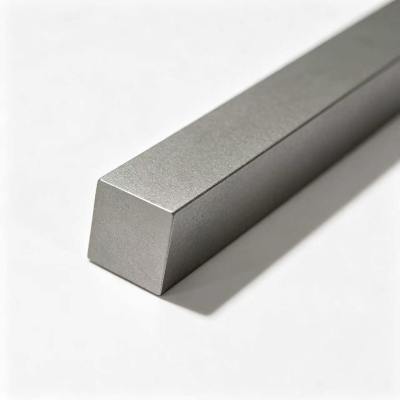
Hard alloy (tungsten carbide) parts are widely used in cutting, forming and wear-resistant machining applications. Many buyers only compare prices without considering material grade, hardness and machining suitability. This article shares practical procurement and selection tips to help you pick suitable hard alloy parts for your machining projects and reduce unexpected tool failure.
2. Key Factors for Hard Alloy Part Selection
- Material Grade: Choose cobalt content based on impact load and wear demand
- Dimensional Tolerance: Confirm tolerance requirement for post machining assembly
- Surface Finish: Polished or ground surface affects friction and service life
- Working Condition: High temperature, shock or abrasive environment changes grade selection
- Manufacturing Process: Sintering quality decides batch consistency
3. Common Pitfalls in Hard Alloy Procurement
Buying hard alloy parts only by low price often brings problems. Incorrect grade leads to chipping or fast wear. Poor sintering causes unstable hardness between batches. Unverified dimension tolerance increases your secondary machining cost. These mistakes will delay your machining project and raise overall production cost.
4. How to Match Hard Alloy Grades to Machining Tasks
High cobalt grades deliver better impact resistance for interrupted cutting. Low cobalt grades provide higher hardness for continuous abrasive machining. Send your working condition and drawing to VUILI, our engineers can recommend the matched hard alloy grade and part design before formal order.
5. Quick Selection Checklist for Hard Alloy Components
| Evaluation Item | Acceptable Standard |
|---|---|
| Alloy Grade | Match your machining load and wear requirement |
| Hardness Test | Hardness report per batch shipment |
| Dimensional Tolerance | Meet drawing tolerance requirement |
| Surface Quality | No pores, cracks or surface scratches |
| Sample Validation | Sample testing before mass procurement |
6. FAQ for Hard Alloy Parts Sourcing
Q1: What is the difference between high cobalt and low cobalt hard alloy?
Higher cobalt means better toughness for impact work; lower cobalt gives higher hardness for wear resistance.
Q2: Can VUILI customize hard alloy parts per my drawing?
Yes, we support OEM custom hard alloy components with precision machining.
Q3: Should I test samples before bulk order?
Sample trial is strongly recommended to verify performance in your actual machining environment.
7. Summary & Custom Hard Alloy Parts from VUILI
Selecting hard alloy parts needs full consideration of working conditions, alloy grade, tolerance and surface quality, not only unit price. VUILI manufactures custom hard alloy parts with stable sintering and precise finishing for different machining projects. Send your drawing to get professional recommendation.
CTA Contact Zone
Hard Alloy Parts Procurement Consultation
📧 Contact Us → /contact-us.htm
Share your machining requirement and drawings to get grade recommendation & quotation.
Disclaimer
This procurement guidance is for general reference. Final alloy selection depends on your actual machining parameters. Rleey recommends sample testing before bulk purchase of hard alloy parts.