Rleey | Tungsten Market & Pricing Insights: How Raw Material Costs Affect Your Hard Alloy Tool Orders
Full Article Structure
- 1. Raw Material Cost as the Main Component of Hard Alloy Tool Price
- 2. Cost Breakdown: Tungsten Powder & Cobalt Powder Weight Ratio
- 3. How Raw Material Price Passes Through To Your Order Quotation
- 4. Difference Between Blank Cost and Finished Machined Tool Cost
- 5. Practical Tips To Reduce Budget Pressure From Raw Material Inflation
- 6. FAQ: Raw Material Cost & Hard Alloy Tool Orders
- 7. Summary: Transparent Cost Communication With Your Carbide Supplier
1. Raw Material Cost as the Main Component of Hard Alloy Tool Price
For cemented carbide hard alloy tools, tungsten and cobalt raw materials usually account for the largest share of total manufacturing cost. When metal benchmark prices rise, suppliers must adjust quotations to maintain margins, which directly affects your purchase budget for inserts, rods and cutting blades.
2. Cost Breakdown: Tungsten Powder & Cobalt Powder Weight Ratio
Each carbide grade has fixed tungsten-cobalt ratio. Higher cobalt grades are more expensive because cobalt metal has high market volatility. For example, low-cobalt wear-resistant grades have relatively stable raw material cost compared with high-toughness high cobalt alloy.
3. How Raw Material Price Passes Through To Your Order Quotation
- Supplier buys tungsten and cobalt powder at current market benchmark
- Powder cost is calculated based on the net weight of finished carbide parts
- Price adjustment clauses apply for long-term bulk contracts
- Spot orders reflect latest raw material price immediately
4. Difference Between Blank Cost and Finished Machined Tool Cost
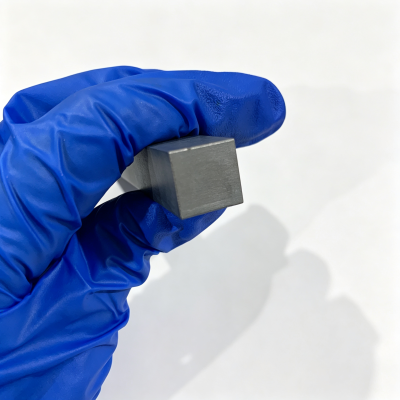
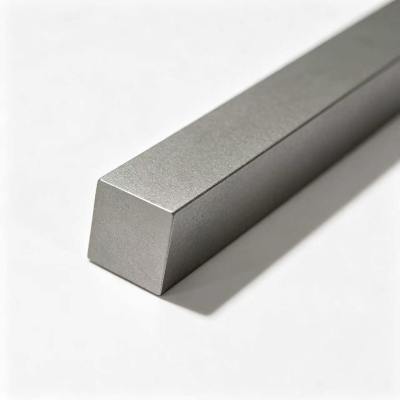
Raw material cost determines carbide blank price. Finished hard alloy tool includes sintering, grinding, edge machining, surface coating and inspection fees. Machining cost is separate from tungsten price, but raw material is still the base cost component.
5. Practical Tips To Reduce Budget Pressure From Raw Material Inflation
Buyers can negotiate framework contracts, optimize material grade selection and combine batch ordering to mitigate raw material cost spikes. Working with a factory that owns stable raw material sourcing helps avoid sudden price jumps for recurring orders.
6. FAQ: Raw Material Cost & Hard Alloy Tool Orders
Q1: Does small sample order follow the same raw material pricing rule?
Sample orders usually include setup cost, so raw material proportion is lower than bulk orders.
Q2: Can grade substitution lower raw material cost?
Yes, switch to lower cobalt grade if your working condition allows, after performance testing.
Q3: Will supplier lock raw material price for my bulk PO?
Locking is available under framework agreement with defined validity period.
7. Summary: Transparent Cost Communication With Your Carbide Supplier
Raw material cost is the core driver of hard alloy tool order pricing. Understanding this cost structure helps you negotiate fairly and make better purchasing decisions. Rleey shares transparent cost references for bulk carbide tool buyers.
CTA Contact Zone
Hard Alloy Tool Cost Review
📧 Contact Us → /contact-us.htm
Send your tool specifications for cost breakdown and quotation.
Discuss Long Term Order Terms
📧 Contact Us → /contact-us.htm
Talk about price adjustment rules for recurring bulk hard alloy tool orders.
Disclaimer
This article is for procurement cost reference only. Actual hard alloy tool quotation depends on drawings, tolerance and order quantity. VUILI does not provide financial investment advice. All supply contracts shall be negotiated separately.