Rleey | Tungsten Market & Pricing Insights: Tips for Buyers to Evaluate Carbide Product Pricing
Full Article Structure
- 1. Introduction: Common Pitfalls When Comparing Carbide Product Quotations
- 2. Core Evaluation Dimensions: Material, Tolerance & Surface Finish
- 3. Weight & Density Verification: Calculate Theoretical Cost
- 4. Lead Time & Supply Stability: Hidden Cost Factors
- 5. Supplier Capability: Quality Control & After-sales Support
- 6. FAQ: Evaluating Carbide Product Pricing
- 7. Summary: Build Your Practical Carbide Quotation Evaluation Checklist
1. Introduction: Common Pitfalls When Comparing Carbide Product Quotations
Many industrial buyers compare carbide quotations only by unit price, leading to wrong sourcing decisions. Two suppliers may quote same nominal dimension but deliver parts with different actual size, density or machining quality. A structured evaluation process helps avoid misleading low-price offers that carry hidden quality or supply risks.
2. Core Evaluation Dimensions: Material, Tolerance & Surface Finish
- Confirm carbide grade and cobalt content matching your application requirement
- Check actual dimensional tolerance, not only nominal size on quotation
- Verify surface finish requirement: as-sintered, ground or polished
- Clarify if quotation includes chamfer, hole drilling or other custom features
3. Weight & Density Verification: Calculate Theoretical Cost
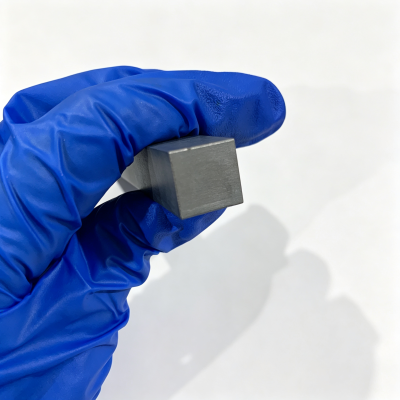
Calculate theoretical weight with standard carbide density (14.6~14.9 g/cm³) based on finished dimension. Compare calculated weight with supplier stated weight. If quoted part is significantly lighter than theoretical value, it may indicate substandard density or extra grinding stock loss. This simple check reveals material quality differences between suppliers.
4. Lead Time & Supply Stability: Hidden Cost Factors
Low unit price with very long lead time may create hidden production interruption cost for your assembly line. Emergency rush orders often carry premium charges. Evaluate supplier stock level, annual capacity and order scheduling flexibility together with unit price. Rleey provides clear lead time and stable capacity for both standard and custom carbide orders.
5. Supplier Capability: Quality Control & After-sales Support
Ask for inspection report, material certification and sample policy before bulk order. A reliable supplier should support material traceability and quality claim handling. If a supplier cannot provide basic inspection data, the low quotation may carry higher defect risk that offset initial cost saving.
6. FAQ: Evaluating Carbide Product Pricing
Q1: Is the lowest quotation always the worst choice?
Not always. But if the price is far below market average, you need to verify grade, tolerance and density carefully.
Q2: How to compare quotations for custom machined carbide parts?
Separate material cost from machining cost, compare each item line by line instead of only total price.
Q3: What is the most effective first step for quotation evaluation?
Calculate theoretical weight and confirm finished dimension, not only nominal size on the quote.
7. Summary: Build Your Practical Carbide Quotation Evaluation Checklist
Fair carbide pricing evaluation covers material weight, tolerance, surface finish, lead time and supplier quality capability. A systematic checklist prevents buyers from being misled by low unit price. Rleey provides transparent quotation breakdown, material certification and inspection report for every carbide order.
CTA Contact Zone
Get Transparent Carbide Quotation Breakdown
📧 Contact Us → /contact-us.htm
Send your dimension requirement, we provide weight calculation and detailed cost breakdown.
Compare Rleey Carbide Offer With Your Current Supplier
📧 Contact Us → /contact-us.htm
Share your reference quote, we help you compare cost and quality items item by item.
Disclaimer
The content is for procurement reference only. Pricing evaluation should be adjusted based on your specific application and budget. Rleey supports transparent communication for all carbide product inquiries.