Troubleshooting Poor Surface Finish When Turning With Carbide Inserts
Full Article Structure
1. Common Surface Defects in Turning
Bad surface finish usually shows as regular feed marks, chatter vibration ripples, random scratches, hazy matte surface and sticky metal smears. Different marks correspond to different failure sources. Before adjusting parameters, you need to identify the defect type first.
2. Main Root Causes for Poor Surface Finish
- Chatter: weak fixture, overhang too long, loose tool holder, spindle vibration
- Built-up edge: sticky material cold welding on cutting edge
- Insert wear: flank wear, edge chipping, thermal cracks
- Improper parameters: feed too high, wrong nose radius, speed inside BUE zone
- Poor chip evacuation: chips rub against finished surface repeatedly
- Insufficient or dirty coolant, poor lubrication
3. Step-by-step Troubleshooting Sequence
First, check vibration and clamping status. Second, inspect the cutting edge for BUE or wear. Third, check chip shape, whether chips scratch the finished surface. Fourth, adjust feed, nose radius and cutting speed. Fifth, optimize coolant flow and chipbreaker geometry. Change only one variable at a time to confirm the real cause.
4. Quick Reference Table of Defects & Fixes
| Surface Defect | Main Cause | Recommended Adjustment |
|---|---|---|
| Even periodic ripples | Chatter / vibration | Reduce overhang, improve clamping, lower feed |
| Random sticky scratches | Built-up edge | Raise speed, use low-friction PVD coating |
| Clear feed lines | Feed too high / small nose radius | Reduce feed or select larger nose radius |
| Scratches from chips | Bad chip control | Change chipbreaker, adjust depth of cut |
5. Insert Selection Tips for Better Surface Quality
For fine finishing, choose inserts with larger nose radius and positive chipbreaker. Smooth PVD coating helps reduce friction and BUE. Light edge hone protects edge without sacrificing surface quality. Avoid over-honed inserts for finishing operations.
6. Summary
Poor turning surface finish is rarely caused by one single factor. Vibration, edge condition, chip control and parameters all interact. Follow the inspection sequence and match the right insert grade and geometry, you can get stable Ra value in mass turning.
Tell us your target roughness, workpiece material and current surface problem, we recommend suitable finishing carbide inserts and chipbreaker options.
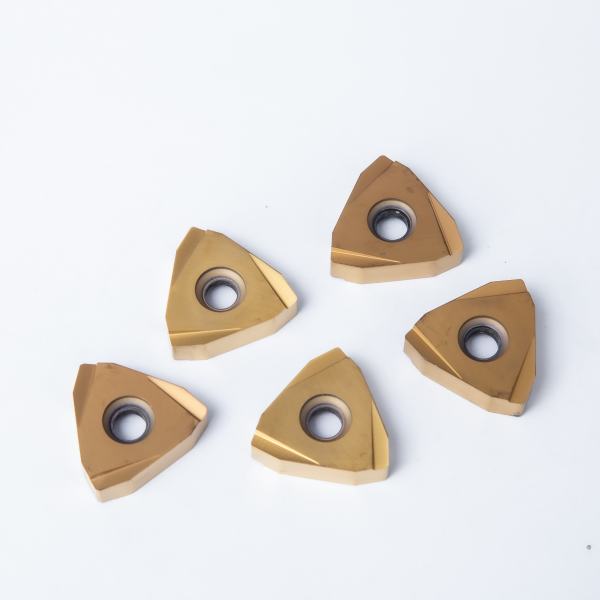
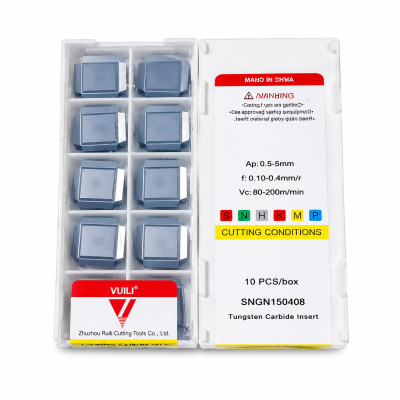
Finishing carbide inserts with good surface quality for carbon steel, alloy steel and stainless steel turning.