Tungsten Carbide Strips & Plates: Application, Cutting Method & Minimum Order
Full Article Structure
- 1. Introduction: What Are Tungsten Carbide Strips and Plates
- 2. Main Industrial Applications of Carbide Strips & Plates
- 3. Available Cutting & Secondary‑Processing Methods
- 4. Key Parameter Selection: Grade, Hardness and Tolerance
- 5. Minimum Order & Procurement Related Requirements
- 6. Common Mistakes When Ordering Carbide Flat Blanks
- 7. Quick Reference Table for Carbide Strips & Plates
- 8. Final Summary & Custom Technical Support
1. Introduction: What Are Tungsten Carbide Strips and Plates
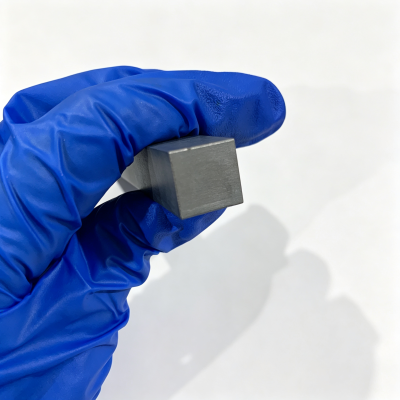
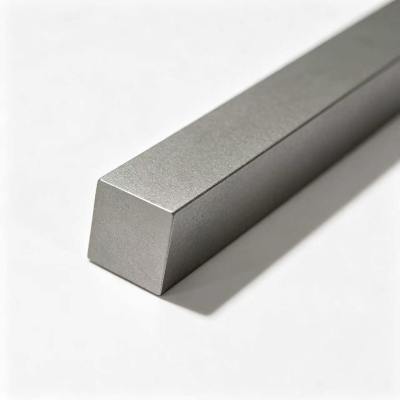
Tungsten carbide strips and plates are flat rectangular carbide blanks manufactured by powder metallurgy sintering. They differ mainly in thickness and width: carbide strips refer to thin, narrow flat bars, while carbide plates represent thicker, wider solid carbide sheets. Both are important semi‑finished raw materials widely used to produce wear‑resistant components, shear blades, scrapers and custom tool parts.
Unlike standard rods or inserts, carbide strips and plates are mostly semi‑finished blanks. Buyers usually perform further cutting, grinding or milling to get final part dimensions. Many purchasers new to carbide flat blanks encounter confusion about usable processing techniques, grade matching, drawing specification and minimum‑order limits, which may lead to delayed samples or non‑conforming goods.
This guide explains typical application scenarios, feasible cutting methods, critical specification points and minimum‑order rules for tungsten carbide strips and plates. It helps technical and procurement staff write clear RFQ and drawing requirements, reduce communication friction with carbide manufacturers, and select proper flat blanks for your projects.
2. Main Industrial Applications of Carbide Strips & Plates
Thanks to high hardness, excellent abrasion resistance and acceptable impact toughness of WC‑Co material, carbide strips and plates serve many heavy‑duty industrial sectors. Below are the most frequent practical use‑cases.
- Shear & cutting blades: Metal shear blades, plastic cutting knives, paper‑industry slitters, used for continuous shearing and slitting operations.
- Wear‑resistant liners & scrapers: Conveyor scraper plates, mixing‑machine wear liners, sand‑and‑slurry‑contact anti‑wear components.
- Wood‑processing tools: Planer knives, chipper strips for lumber and particle‑board manufacturing, resisting abrasive wood chips and sand impurities.
- Custom tool blanks: Blank material for special‑shape punches, stamping dies and non‑standard tool parts processed by customers’ own workshops.
- Measuring and fixture components: Wear‑proof gauge blocks, positioning strips for industrial inspection jigs.
Different application scenarios require different carbide grades. Blades subjected to intermittent impact need higher‑cobalt tough grades. Pure wear‑resistant liners without heavy impact can adopt low‑cobalt high‑hardness grades for longer service life.
3. Available Cutting & Secondary‑Processing Methods
Sintered tungsten carbide is extremely hard and brittle. Ordinary metal sawing cannot process carbide flat blanks. Only dedicated carbide‑processing technologies can achieve precise cutting and shaping. Each method has limits on thickness, dimensional accuracy and cost.
- Wire EDM (Electrical Discharge Machining): Suitable for complex contours, small batch cutting. Good dimensional accuracy. Not cost‑effective for large‑size thick plates in mass orders.
- Diamond saw cutting: Straight‑line cutting for strips and plates. High efficiency for regular rectangular shapes, widely used for mass splitting large sintered plates into narrow strips. Surface needs follow‑up grinding.
- Surface & peripheral grinding: Achieves tight thickness, width and flatness tolerance after rough cutting. Required for blade‑edge blanks and high‑precision wear plates.
- Laser cutting: Less recommended for thick carbide. May generate surface micro‑cracks caused by thermal shock, mostly limited to very thin sheets.
When you place an inquiry, clearly tell the supplier whether you need as‑sintered raw blanks, diamond‑sawn semi‑finished parts, or fully ground finished strips / plates. Unclear processing requirements will cause dimensional or surface quality mismatches after goods arrival.
4. Key Parameter Selection: Grade, Hardness and Tolerance
Ordering carbide strips and plates is not only about length, width and thickness. Three groups of parameters determine whether the blank fits your end‑use: material grade, hardness range and geometric tolerance including flatness.
For shear blades and wood‑working planer strips with certain impact load, medium‑cobalt carbide grades are preferred to resist edge chipping. For static wear liners without obvious impact, low‑cobalt fine‑grain grades deliver superior anti‑abrasion performance.
Tolerance includes thickness tolerance, width tolerance and flatness. Sinter‑state plates have large dimensional deviation. If your finished parts demand high flatness, you must specify ground surfaces. Flatness error is easy to ignore but critical for blade assembly and liner installation.
When submitting drawings, mark all critical tolerances explicitly. Do not only write nominal dimensions and leave all quality standards to the supplier’s factory defaults. This avoids quality disputes during incoming inspection.
5. Minimum Order & Procurement Related Requirements
Minimum‑order quantity for tungsten carbide strips and plates depends on product size, whether using existing sinter moulds and required post‑processing. Standard‑size stock blanks and custom non‑standard sizes follow different MOQ rules.
| Product Type | Typical Minimum Order | Additional Notes |
|---|---|---|
| Standard stock carbide plates / strips (as‑sintered) | 100 pcs equivalent weight MOQ | Existing mould available, fast delivery, can do subsequent cutting inside factory |
| Custom non‑standard dimension (new sinter mould needed) | 100 pcs equivalent weight MOQ | Mould‑opening cost may apply for totally new size, longer lead‑time |
| Fully ground custom strips & plates | 100 pcs equivalent weight MOQ | Grinding processing adds production cycle and unit cost |
| Sample trial order for verification | Contact sales for separate evaluation | Sample cost and lead‑time will differ from bulk‑production orders |
Note: Our factory MOQ follows 100‑piece equivalent‑weight policy, and small‑volume bulk production below this threshold is not supported for formal orders. If you need pre‑mass‑production verification, please apply for sample evaluation separately.
Lead‑time also varies greatly. Stock sintered blanks have relatively short cycles. Custom mould opening plus multi‑step grinding will extend delivery time. Confirm both MOQ and estimated lead‑time before confirming purchase plans.
6. Common Mistakes When Ordering Carbide Flat Blanks
Many procurement problems come from several typical mistakes during technical communication.
First mistake: Only providing length‑width‑thickness without carbide grade, flatness and tolerance. Suppliers will ship according to internal default specifications which may mismatch your assembly and service‑life needs.
Second mistake: Expecting laser‑cut thick carbide plates without understanding thermal‑crack risks. Laser‑cut edges may contain invisible micro‑cracks and lead to early part fracture under load.
Third mistake: Confusing as‑sintered blanks and fully‑ground finished parts. Receiving sinter‑skin plates when you need high‑precision assembled blades will cause extra workload for your own workshop.
Fourth mistake: Ignoring minimum‑order rules and directly requesting small‑batch formal bulk orders below MOQ. Clarify sample‑vs‑bulk‑order difference at early inquiry stage to prevent schedule disappointment.
Fifth mistake: Over‑looking flatness requirement. Even if thickness tolerance passes, poor flatness will make blades unable to fit tightly on tool holders.
7. Quick Reference Table for Carbide Strips & Plates
This table helps you quickly match grade, processing suggestion and procurement notes for typical flat‑blank applications.
| End‑Product Application | Suggested Carbide Grade Type | Recommended Processing Option | Key Specification Reminder |
|---|---|---|---|
| Shear blade / slitter knife | Medium‑cobalt medium grain | Diamond saw cutting + full periphery grinding | Strict flatness requirement, edge‑margin allowance reserved |
| Static wear‑resistant liner plate | Low‑cobalt fine grain | As‑sintered or simple surface grinding | Focus on hardness and wear resistance, low impact condition |
| Wood‑working planer strip / chipper knife | Medium‑cobalt medium‑coarse grain | Diamond‑saw split + fine grinding | Balance wear‑resistance and anti‑chipping for wood‑mixed‑sand cutting |
| Custom die & punch semi‑finished blank | Match customer load condition | EDM‑ready sintered or pre‑ground blank | Reserve enough stock‑removal for customer secondary machining |
| Measuring gauge positioning strip | Medium‑cobalt fine grain | Full‑surface precision grinding | Tight thickness, flatness and surface‑roughness tolerance |
When drafting RFQ documents, attach this reference table together with your workpiece working‑condition description. If standard sizes cannot satisfy your project, custom sintered carbide strips and plates are available subject to MOQ requirements.
8. Final Summary & Custom Technical Support
Tungsten carbide strips and plates are versatile semi‑finished flat blanks widely used for shear blades, wear liners, wood‑working knives and custom tool components. You need to select suitable carbide grade, define processing method (diamond saw, EDM, grinding), and specify tolerance together with flatness according to actual working loads.
Understand the differences between as‑sintered, sawn and ground states, and communicate minimum‑order rules clearly at the inquiry phase. Avoid common pitfalls such as missing‑tolerance drawings, improper cutting‑method selection and ignoring flatness indicators.
If standard stock carbide strips and plates cannot meet your dimension or grade requirements, our technical team offers custom‑made flat‑blank solutions including non‑standard sizes, special grades and customized grinding services within our formal‑order MOQ scope.
Carbide Strips & Plates Supply & Custom Service
Standard Tungsten Carbide Strips & Plates
Stock sintered carbide flat blanks in multiple common dimensions. Support diamond‑saw splitting and surface grinding services for blade, wear‑liner and tool‑blank manufacturing.
Learn More → /carbide‑flat‑blanks.htm
Custom‑Made Carbide Flat Blanks
OEM / ODM custom‑produced tungsten carbide strips and plates according to technical drawings. Support custom carbide grade, dimension and precision‑grinding requirements subject to minimum‑order conditions.
CTA Contact Zone
Custom Orders & Technical Specification Consultation
📧 Contact Us → /contact‑us.htm
Submit your required dimension, working‑condition description, grade preference and processing needs, get free technical suggestion for carbide strip and plate specification selection.
Bulk Procurement & Global Distributor Partnership
📧 Contact Us → /contact‑us.htm
Bulk wholesale price for carbide flat‑blank orders for industrial distributors. Support long‑term mass‑supply contracts with stable lead‑time arrangement.
Disclaimer
The information provided in this article is for general reference purposes only. Actual performance of tungsten carbide strips and plates will vary with working impact, abrasive media, secondary processing quality and assembly conditions. Please consult our professional technical team for application‑specific recommendations before placing bulk procurement orders. All technical data follows ISO industrial standards for solid tungsten‑carbide blanks.