Tungsten Carbide vs Other Wear Materials: When to Choose Carbide
Full Article Structure
- 1. Introduction: Wear‑Resistant Material Selection Dilemma
- 2. Core Properties of Tungsten Carbide
- 3. Tungsten Carbide vs Steel, HSS, Ceramic & Hard Chrome: Full Comparison Table
- 4. Main Advantages of Tungsten Carbide
- 5. Limitations of Tungsten Carbide You Should Know
- 6. When You Should Choose Tungsten Carbide
- 7. When Carbide Is Not The Best Choice
- 8. Real‑World Industrial Application Cases
- 9. Quick Decision Checklist for Material Selection
- 10. Final Summary
1. Introduction: Wear‑Resistant Material Selection Dilemma
Engineers and procurement teams frequently face material decisions for wear‑prone components. Common options include tool steel, high‑speed steel, hard chrome plating, technical ceramics and tungsten carbide. Each material has unique trade‑offs between hardness, impact resistance, corrosion performance, machining difficulty and total cost.
Many factories simply select steel for low upfront cost, only to suffer frequent part replacement, unexpected downtime and higher long‑term operating expenses. Tungsten carbide stands out among wear‑resistant materials, yet it is not always the correct answer for every working condition.
This guide compares tungsten carbide against competing wear materials, explains its strengths and weaknesses, and delivers clear rules to judge when carbide should be your preferred solution.
2. Core Properties of Tungsten Carbide
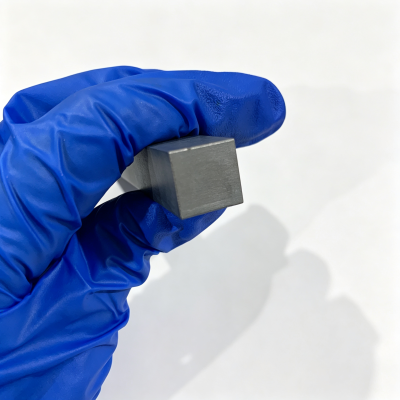
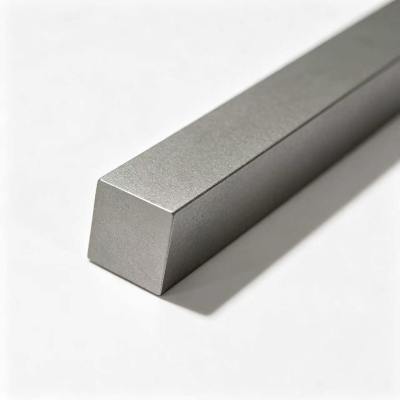
Tungsten carbide is a powder‑metallurgy composite made of hard WC grains bonded by cobalt, nickel or chromium‑carbide binder phases. Key baseline properties:
- High hardness: HRA 85‑92, far harder than most tool steels
- Excellent abrasive wear resistance for sand, mineral, metal chip friction
- Controllable toughness by adjusting binder content and WC grain size
- Good compressive strength, but relatively low bending impact resistance compared to steel
- Moderate corrosion resistance, improved by using WC‑Ni binder grades
Performance can be tuned: fine grain grades maximize wear resistance, higher cobalt content improves impact tolerance for shock‑load parts.
3. Tungsten Carbide vs Steel, HSS, Ceramic & Hard Chrome: Full Comparison Table
| Material | Hardness | Abrasion Wear | Impact Toughness | Corrosion Resistance | Relative Cost |
|---|---|---|---|---|---|
| Tungsten Carbide | HRA85‑92 | Excellent | Medium‑Good | Fair‑Good(Ni grade) | High |
| Tool Steel | HRC50‑62 | Poor‑Fair | Excellent | Poor | Low |
| High‑Speed Steel HSS | HRC62‑68 | Fair | Very Good | Poor | Medium |
| Hard Chrome Plating | HV800‑1000 | Fair‑Good | Low (coating risk peel‑off) | Good | Medium‑High |
| Technical Ceramic(Al₂O₃ / ZrO₂) | HRA90‑94 | Excellent | Very Low, brittle | Excellent | High |
4. Main Advantages of Tungsten Carbide
- Outstanding abrasive wear resistance: Long service life under sand, rock, metal particle friction scenarios.
- Balanced hardness‑toughness: Better impact tolerance than engineering ceramics while keeping superior wear performance.
- Customizable formula: Adjust binder percentage and grain size to target application requirements.
- High compressive strength: Works well under heavy static pressure and extrusion loads.
- Stable high‑temperature hardness: Maintains performance better than steel during continuous friction heating.
5. Limitations of Tungsten Carbide You Should Know
- Higher raw‑material cost compared with steel; initial investment is higher.
- Brittle under heavy sudden shock; severe impact may cause chipping or cracking.
- Difficult machining: almost all shaping must be completed by sintering or diamond grinding.
- Standard WC‑Co grades suffer corrosion under strong acid environment; WC‑Ni variant required.
- Not suitable for large oversized simple structural parts where steel can fully meet needs.
6. When You Should Choose Tungsten Carbide
- Components suffering heavy abrasive wear: mining tips, wear inserts, granulator blades.
- Small‑to‑medium size parts where long service life reduces frequent replacement downtime.
- Continuous friction conditions, including metal cutting, wood processing, particle extrusion.
- Need both wear resistance and moderate anti‑shock capacity (ceramics crack easily here).
- Total‑cost focus: higher part price acceptable if downtime and replacement cost drop greatly.
7. When Carbide Is Not The Best Choice
- Extreme heavy sudden impact, repeated hammering loads: tool steel performs better.
- Parts requiring complex large‑size machining with very low wear requirement: steel saves cost.
- Strong corrosive environment without abrasive wear: ceramics or special alloy may outperform carbide.
- Low‑cost disposable spare parts where service‑life improvement brings no economic return.
- Pure bending‑stress dominated components: carbide brittleness creates fracture risk.
8. Real‑World Industrial Application Cases
Case 1: Granulator cutting blades
Original steel blades wore within 1‑2 weeks. Switching to tungsten carbide blades extended service life to 3‑6 months, cutting machine downtime significantly, offsetting higher component price.
Case 2: Rock‑drill wear sleeves
Ceramic inserts cracked under rock impact. Steel sleeves wore quickly. Medium‑cobalt carbide grade delivered balanced wear and impact performance for field drilling.
Case 3: Food processing anti‑wear rollers
Mild abrasion plus weak corrosion. Engineers selected WC‑Ni carbide instead of WC‑Co to avoid corrosion while retaining wear‑resistance.
9. Quick Decision Checklist for Material Selection
| Question | Prefer Tungsten Carbide If Yes |
|---|---|
| Does the part face heavy abrasive friction? | Yes |
| Need both wear resistance AND some impact resistance? | Yes |
| Frequent replacement creates expensive production downtime? | Yes |
| Working condition is pure heavy hammer / bending shock? | No (choose steel) |
| Pure strong corrosion without abrasion? | No (choose ceramic / alloy) |
10. Final Summary
Tungsten carbide delivers exceptional abrasive wear resistance with reasonable impact tolerance, sitting between brittle ceramics and low‑wear steel materials. It excels for small‑medium components suffering friction and moderate shock, where extended service life lowers total operating cost despite higher unit price.
Carbide is not universal. For pure heavy‑impact, large simple‑structure or strong‑corrosion‑only scenarios, steel, ceramics or special alloys can be more suitable. Always evaluate abrasion, shock, corrosion and total cost‑of‑ownership before finalizing material selection.