Rleey | Tungsten Carbide Shredder Blades Manufacturer for Plastic Recycling Shredding
Plastic Recycling Shredder: Carbide Blades for High Abrasion Shredding
Table of Contents
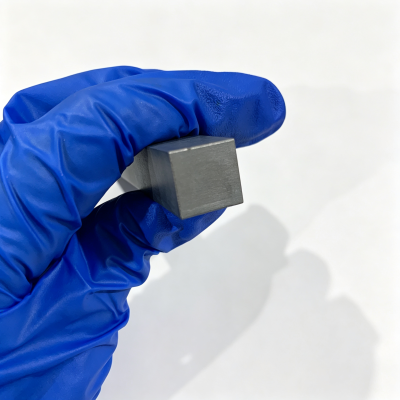
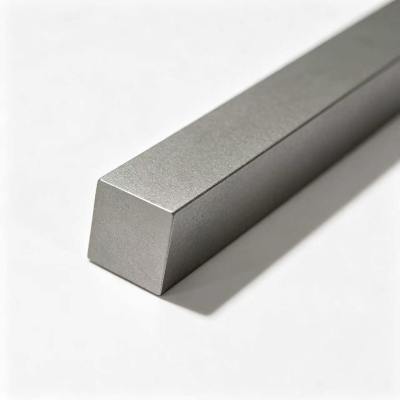
Plastic recycling shredders reduce large plastic waste such as bottles, films, crates, pipes and industrial plastic scraps into small uniform fragments for reprocessing. Waste plastic streams are rarely pure; they often contain sand, stone, metal fragments and other hard impurities that rapidly wear cutting edges. Tungsten carbide shredder blades are widely adopted in heavy-duty recycling shredders. With excellent hardness and wear resistance, carbide cutting edges maintain sharpness for much longer cycles, stabilize particle size output and reduce frequent blade replacement downtime. Many recycling operators underestimate the wear risk of plastic shredding. Dry waste plastics mixed with grit and metal debris create continuous abrasive scratching on blade edges. The working environment combines sliding abrasion, impact shock and cyclic shear force. Ordinary alloy steel blades wear down quickly, losing cutting sharpness after only a few operating hours. Dull blades produce uneven shredded plastic particles, increase motor load and power consumption, and raise the risk of equipment jamming. For continuous high-volume recycling lines, frequent blade replacement significantly reduces production efficiency. Carbide shredder blades usually use a steel substrate with brazed tungsten carbide cutting tips. This composite structure balances impact toughness and extreme wear resistance: Carbide tipped blades are especially suitable for post-consumer plastic waste, dirty mixed plastic and industrial plastic scrap with high impurity content. When hard metal pieces frequently enter the shredding chamber, select higher cobalt carbide grades to avoid tip chipping. Our engineering team can customize carbide tip size, brazing structure and grade according to your shredder model and waste composition. Edge angle must balance cutting penetration and edge strength. Too sharp an edge easily chips; too blunt increases shredding resistance and power draw. Reliable brazing prevents carbide tips from detaching under repeated impact. Poor brazing is one of the top failure reasons for carbide shredder blades. High strength alloy steel base supports carbide tips and absorbs shredding shock, preventing blade body deformation. Installing pre-screening equipment to remove large metal pieces can greatly extend carbide blade service life. A: Yes. The carbide cutting tips can be re-ground multiple times, as long as the carbide material remains enough and brazing joint stays intact. A: Solid carbide blades offer better wear resistance but are much more brittle and expensive. Carbide tipped blades are the cost-effective mainstream choice for most plastic recycling shredders. A: They work well for HDPE, PET, PP, PVC, plastic films, plastic pipes, plastic crates and mixed industrial plastic scraps.Introduction
Abrasion Challenges in Plastic Waste Shredding
Why Carbide Blades Outperform Alloy Steel Blades
Carbide Grade Selection for Shredder Blades
Working Condition
Recommended Grade
Core Features
Clean plastic waste, low impurity, light impact
YG6
High hardness, excellent wear resistance
Mixed plastic with sand, medium impact
YG8
Balanced hardness and toughness, most popular for shredder tips
Heavy contamination with metal fragments, strong impact
YG11
Higher impact toughness, resist chipping and cracking
Key Blade Design Considerations
1. Cutting Edge Geometry
2. Carbide Tip Brazing Quality
3. Blade Body Material
Common Blade Failures & Root Causes
Maintenance Tips to Extend Blade Life
FAQ
Q: Can carbide shredder blades be re-sharpened?
Q: Are solid carbide shredder blades better than carbide tipped blades?
Q: What plastic materials fit carbide shredder blades?